
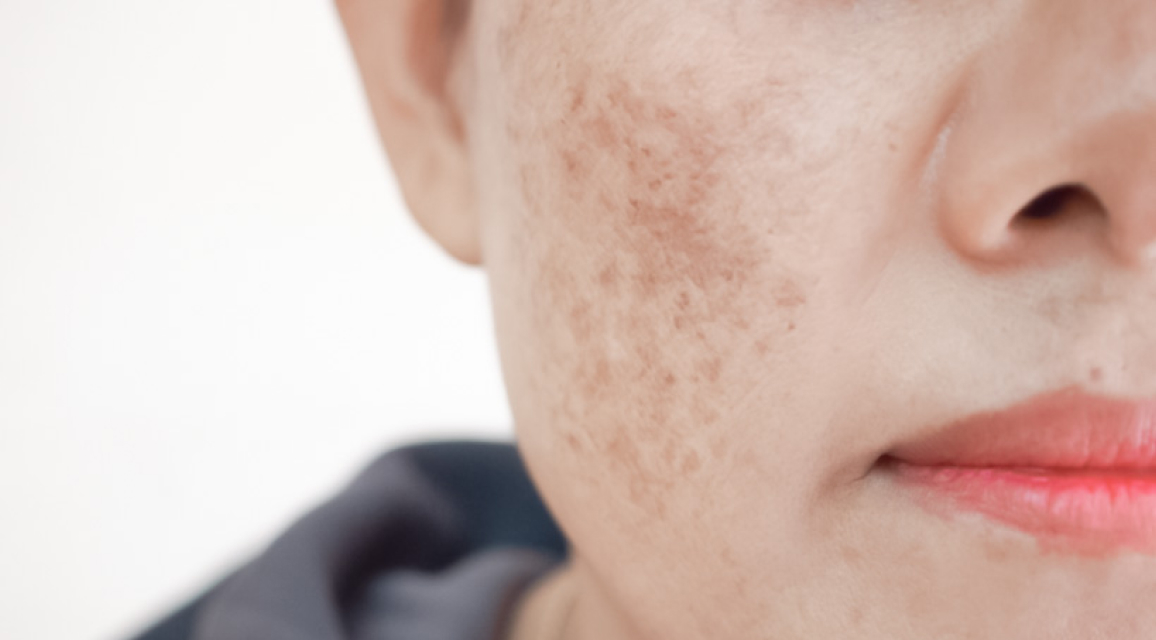
Many patients come to us with a pigmentation concern known as melasma. While melasma is a very common, normal, and harmless skin condition, it can significantly impact quality of life and self-esteem for those affected. Melasma is a chronic condition that doesn’t resolve on its own, but it can be effectively managed with the right approach.
What Is Melasma and What Does It Look Like?
Melasma is a skin condition that causes light brown to dark brown patches or freckle-like spots on the skin. In some cases, these areas may also appear slightly red or inflamed. It is sometimes referred to as chloasma, or the “mask of pregnancy,” as it often occurs in pregnant women.
Melasma most commonly appears on the face, particularly on the cheeks, bridge of the nose, forehead, chin, and upper lip.
Where Can Melasma Occur on the Body?
The location of melasma is an important factor when considering treatment options. It can appear in several areas and may present in more than one pattern at the same time.
- Centrofacial melasma appears on the forehead, cheeks, nose, and upper lip
- Lateral cheek pattern melasma appears on both cheeks
- Malar melasma appears on the cheeks and nose
- Mandibular melasma appears on the jawline
- Brachial melasma appears on the shoulders and upper arms
- Melasma can also appear on all sides of the neck
Types of Melasma: Understanding Pigment Depth
There are three main types of melasma: epidermal, dermal, and mixed. These types are defined by how deeply the pigment is located within the skin.
Epidermal melasma is the most superficial type, with increased melanin in the top layer of the skin. Dermal melasma occurs when pigment is located in the deeper layers. Mixed melasma includes both superficial and deeper pigmentation.
Understanding the type of melasma is important, as it helps guide treatment decisions and expected outcomes.
What Causes Melasma?
The exact cause of melasma is not fully understood, but several factors are known to contribute.
Common triggers include genetics, hormonal changes, pregnancy, birth control pills, certain medications, cosmetics, and prolonged sun exposure. While both men and women can develop melasma, it is more common in women.
Many patients first notice melasma in their late twenties or early thirties. It is also estimated that 50–70 percent of pregnant women will develop some degree of melasma.
How Is Melasma Treated?
Assessment is an important first step in treating melasma. At Clinic 805, the skin is evaluated using the Canfield VISIA® Complexion Analysis System. This multispectral imaging technology provides a detailed analysis of skin health across several key areas, helping guide a personalized treatment plan.
Treatment typically involves a combination approach, including medical-grade skincare, sun protection, and laser therapy.
ZO Skin Health Protocol for Melasma
A common approach to treating melasma includes the ZO® Skin Health Hydroquinone Program. Hydroquinone is a topical agent used to lighten areas of hyperpigmentation.
This protocol often includes a combination of cleansers, exfoliators, glycolic acids, hydroquinone, and retinol to support skin renewal and reduce pigmentation. Consistent use of a mineral, zinc-based SPF and sun avoidance are essential components of treatment.
Laser Genesis Treatments for Melasma
Laser Genesis™ is a non-invasive treatment that can help improve overall skin tone and reduce redness associated with melasma. It works by gently heating the upper dermis, targeting small blood vessels and supporting collagen production.
This treatment is typically performed alongside a medical-grade skincare protocol for best results and requires no downtime.
 .
. 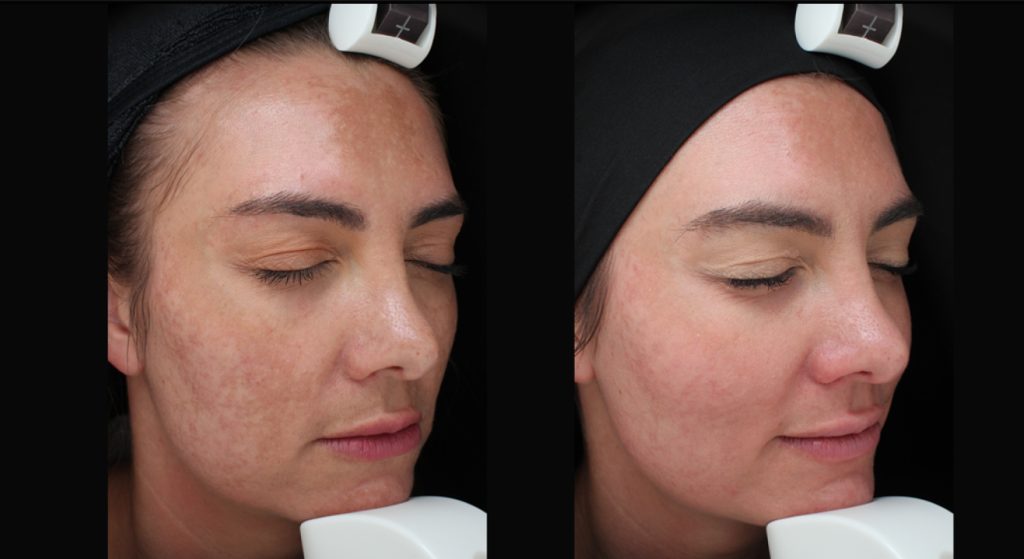
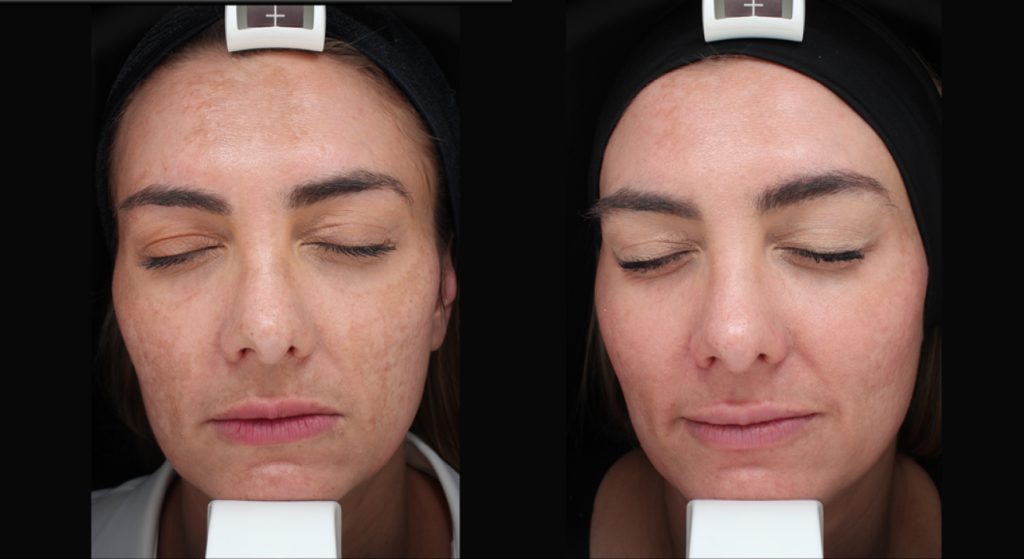
We developed a customized plan to treat this patient’s melasma as her primary concern. Results are shown after six Laser Genesis treatments and four months of using ZO® Skin Health Pigment Control + Blending Creme 2% HQ, ZO® Skin Health Pigment Control Crème 2% HQ, and other ZO® Skin Health products.
How to Manage Melasma Long-Term
Melasma is a chronic condition, which means it cannot be permanently cured, but it can be effectively managed.
Treatment plans should be tailored to each individual, taking into account skin type, lifestyle, and known triggers. Ongoing maintenance, including consistent sun protection and appropriate skincare, plays a key role in long-term results.
If you’re noticing changes in your skin or are looking to address pigmentation, a consultation can help determine the most appropriate approach for your needs.


